
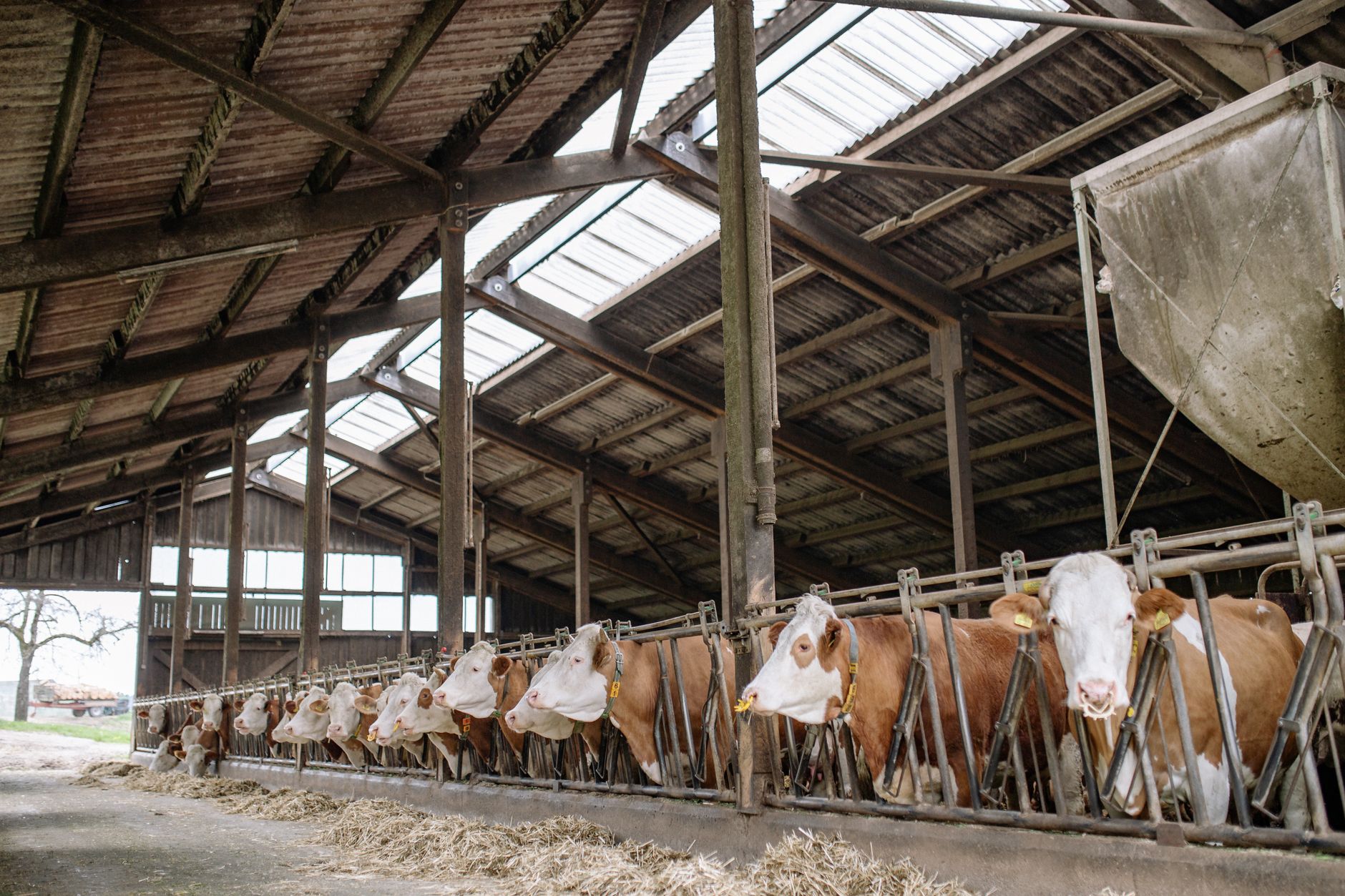
Responsible cattle management requires knowledge, patience, and consistent attention to livestock needs. Owners must provide suitable nutrition, comfortable housing, preventive healthcare, and safe handling throughout an animal’s life. In communities associated with วัวชนแดนใต้.net traditions, preserving agricultural knowledge should go hand in hand with modern animal welfare principles. Good management supports healthier livestock and encourages responsible farming practices.
Why Is Proper Cattle Management Important?
Effective management helps maintain animal health, improve daily care routines, and reduce preventable problems. Cattle require regular feeding, clean drinking water, sufficient resting space, and protection from harsh weather. Owners should observe their animals daily to recognize changes in appetite, movement, and behavior.
Consistent care also makes livestock management more organized. Maintaining records of feeding, vaccinations, veterinary visits, and general health allows farmers to make informed decisions. These practices are valuable for small family farms as well as larger livestock operations.
How Should Owners Manage Cattle Nutrition?
Balanced nutrition is essential for healthy growth and normal body functions. Cattle generally need suitable forage, grasses, and supplementary feed according to their age, size, and physical condition. Minerals and vitamins may also be necessary when ordinary feed does not provide sufficient nutrients.
Fresh water should always be accessible. Feeding containers must remain clean, and spoiled food should be removed promptly. Any changes to the diet should happen gradually to reduce digestive problems. Veterinary professionals or livestock nutrition specialists can help determine suitable feeding plans.
What Makes Cattle Housing Safe and Comfortable?
Proper housing protects cattle from excessive heat, rain, strong winds, and uncomfortable ground conditions. Shelters should provide adequate ventilation, stable flooring, and enough space for animals to move and rest naturally.
Regular cleaning is equally important. Removing waste, maintaining dry bedding, and cleaning water containers help reduce contamination and disease risks. Secure fencing and properly maintained gates also prevent accidental escapes and injuries.
How Can Farmers Maintain Good Animal Health?
Preventive healthcare should include routine veterinary examinations, appropriate vaccinations, and parasite control. Owners should monitor hooves, skin, breathing, appetite, and general body condition.
Early attention to unusual symptoms can prevent health concerns from becoming more serious. Injured or sick cattle should receive appropriate treatment and sufficient recovery time. Gentle handling during examinations and transportation helps minimize stress.
How Can Traditional Practices Support Animal Welfare?
Cultural traditions can remain meaningful while respecting the physical and behavioral needs of livestock. Cattle should never be deliberately frightened, injured, or forced into exhausting activities. Adequate rest and veterinary supervision should remain priorities during community gatherings.
What Are the Benefits of Responsible Management?
Responsible cattle management combines practical experience with informed decision-making. By maintaining proper nutrition, safe housing, preventive healthcare, and humane handling, owners can support healthier animals and sustainable agricultural traditions. Consistent attention creates better conditions for livestock and strengthens responsible farming within local communities.
Quick Summary
- Responsible cattle management involves providing suitable nutrition, comfortable housing, preventive healthcare, and safe handling throughout an animal’s life.
- Owners should observe their animals daily to recognize changes in appetite, movement, and behavior.
- Balanced nutrition for cattle requires suitable forage, grasses, and supplementary feed based on their age, size, and physical condition.
- Proper cattle housing must protect against excessive heat, rain, and harsh conditions while providing adequate ventilation and space.
- Preventive healthcare should include routine veterinary examinations, vaccinations, and monitoring for signs of health issues.
- Responsible cattle management leads to healthier animals and strengthens sustainable agricultural practices within communities.