

Your home may not speak, but it sends signals when something’s wrong. Two of the most overlooked warnings are peeling paint and persistent musty odors. These signs may seem minor at first, but they often point to deeper, more serious problems inside your home. Paying attention to these clues can save you time, money, and stress.
Peeling paint and unpleasant smells usually indicate issues with moisture or water damage. If left unaddressed, these problems can lead to structural damage and health risks. That’s why house restoration and water damage experts recommend taking action at the first sign of trouble.
What Causes Peeling Paint?
Peeling or bubbling paint is usually a result of moisture buildup. When water gets behind walls or underneath paint, it breaks the bond between the surface and the paint layer. Over time, this causes the paint to lift, crack, and eventually fall off.
This can happen in bathrooms, kitchens, basements, or anywhere humidity is high. It can also be a sign of a hidden leak from plumbing or a damaged roof. If you notice paint deteriorating in more than one area, it’s time for a closer inspection.
Musty Smells: More Than Just an Inconvenience
A musty odor in your home isn’t just unpleasant; it’s often a red flag. That smell is commonly caused by mold or mildew growing in damp areas. These fungi thrive in places with poor ventilation and consistent moisture.
Musty smells often develop in basements, crawlspaces, or under sinks. If the smell lingers despite cleaning or air fresheners, there’s likely a deeper problem. Mold can pose health risks, especially to children, seniors, and people with respiratory conditions.
The Link Between Moisture and Structural Damage
Moisture is a quiet threat that can do serious damage over time. It seeps into walls, ceilings, and floors, weakening the materials they’re made from. Wood can rot, drywall can crumble, and insulation can become completely ineffective.
In many cases, what starts as peeling paint or a damp odor turns into costly structural repairs. Hidden water damage may also attract pests like termites or carpenter ants. That’s why addressing moisture issues early is so important for homeowners.
Mold Growth: The Hidden Hazard
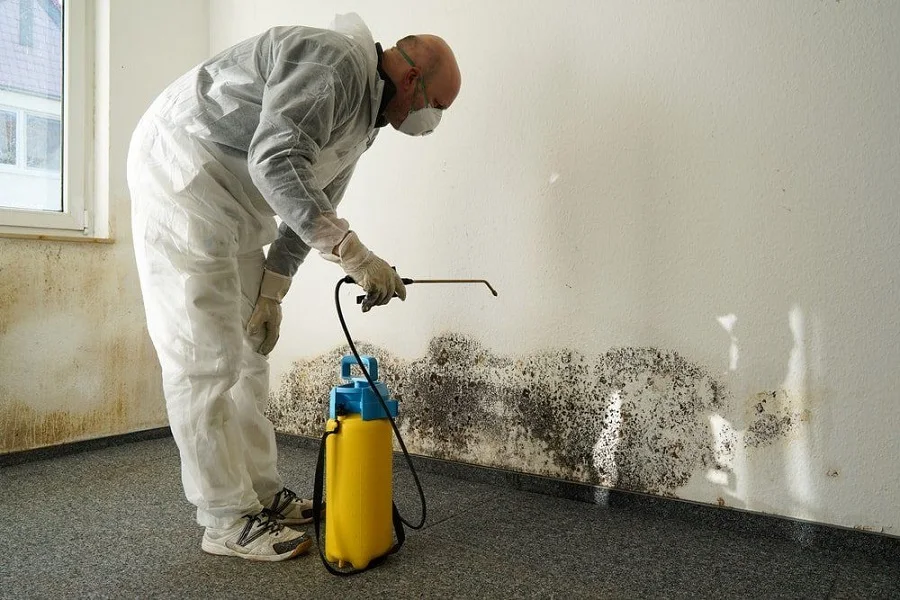
Where there’s moisture, mold is often close behind. Mold doesn’t just affect surfaces—it releases spores into the air that can be harmful when inhaled. Black mold, in particular, can cause serious health problems if not handled properly.
Mold often grows behind walls, under flooring, or in attics where moisture is trapped. By the time you smell it or see stains on your walls, the problem may already be widespread. That’s when it becomes critical to call water damage experts to assess the situation.
How Experts Identify and Fix the Problem
Unlike DIY methods (which are unsafe), professionals use specialized equipment to find hidden moisture and mold. Thermal imaging, moisture meters, and air quality testing can pinpoint exactly where damage is occurring. This allows for targeted repairs rather than guesswork.
Once the source is identified, experts can remove damaged materials, treat affected areas, and restore your home. In many cases, they can also help with insurance claims to make the process smoother. Their goal is not just to repair but to restore your home to a safe and healthy condition.
Peeling paint and musty smells are more than cosmetic issues; they are your home’s way of asking for help. Ignoring these signs can lead to larger, more expensive problems down the road. Moisture, mold, and hidden leaks can compromise your home’s structure and your family’s health. So, call in house restoration and water damage experts who can find the cause, fix the damage, and protect your home from future issues. A small issue today could become a major disaster tomorrow—but only if it’s left untreated.