
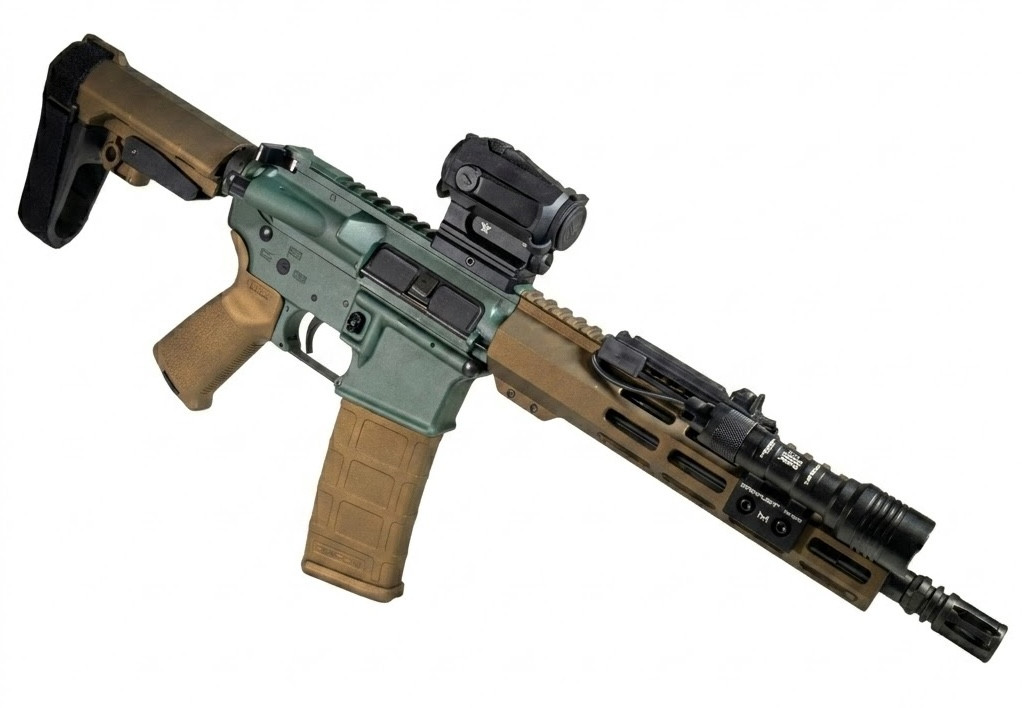
Safe and legal ownership of a modified pistol requires more than purchasing quality components. It demands an understanding of both how the firearm operates and the regulatory framework that governs its configuration. For anyone who has added or is considering adding a brace to their pistol, a clear-eyed look at safety and compliance is worth far more than any shortcut. The PSA Dagger brace setup is increasingly common, and with that popularity comes a responsibility to handle it correctly.
Why Is Proper Brace Installation Critical for Safety?
Installation quality directly affects how the firearm performs under real-world conditions. A brace that is not properly secured to the pistol can shift during use, compromising your grip and control. This creates a genuine safety risk—not just for the shooter, but for anyone nearby.
Always follow the manufacturer’s installation instructions precisely. If you are not confident in your ability to install the brace correctly, seek assistance from a qualified gunsmith. A professional installation takes minimal time and eliminates the risk that comes with guesswork. Once installed, inspect the brace regularly and address any looseness or wear immediately.
How Should You Handle a Braced Pistol at the Range?
Range safety protocols apply to all firearms, and a braced pistol is no exception. Always treat the firearm as if it is loaded. Keep your finger off the trigger until you are ready to fire. Maintain awareness of your muzzle direction at all times, and be certain of your target and what lies beyond it.
A braced pistol may feel different to handle than a standard pistol due to its additional weight and length. Spending time at the range to become familiar with your specific configuration before relying on it in any critical situation is a sound practice. Familiarity breeds consistency, and consistency is the foundation of safe firearm handling.
What Documentation Should Responsible Owners Maintain?
Maintaining accurate records is a habit that serves responsible owners well. Keep documentation of your firearm’s serial number, the specific brace model attached, and all relevant purchase records. If your firearm’s configuration is ever questioned, having clear records demonstrates both transparency and diligence.
In jurisdictions where registration or documentation is required for certain firearm configurations, ensure that your paperwork is complete, current, and stored in a location you can access readily. Digital copies stored securely can supplement physical records without replacing them.
How Can You Stay Current on Evolving Brace Regulations?
Regulations surrounding pistol braces have changed repeatedly, and the expectation of future changes is realistic. Staying informed requires an active approach. Subscribing to official ATF communications, following reputable firearms law publications, and maintaining a relationship with a knowledgeable firearms attorney are all effective strategies.
Firearms advocacy organizations also play a meaningful role in monitoring and responding to regulatory changes. Many offer member notifications when significant developments occur. Participating in these communities provides both information and a network of fellow owners who share a commitment to lawful and responsible ownership.
The Value of a Safety-First Mindset
Owning a firearm with any accessory configuration demands a mindset that places safety above convenience at every step. The discipline required to handle, store, and maintain a braced pistol responsibly is the same discipline that defines a trustworthy member of the shooting community. Legal compliance protects your rights. Safe handling protects lives.
Together, these commitments form the basis of ownership that is both personally responsible and broadly beneficial. Taking them seriously from the outset is the most reliable way to ensure that your experience with your PSA Dagger remains a positive one for years to come.