

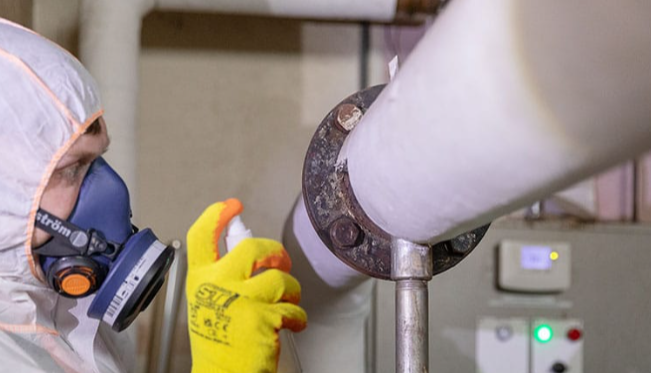
Termites are silent destroyers that can compromise the structural integrity of wooden buildings, furniture, and other wooden structures. They feed on cellulose found in wood, paper, and other plant-based materials, often going unnoticed until significant damage has occurred. Effective Termite control (除白蟻) is essential for preserving the safety, value, and longevity of wooden structures. Advanced solutions in termite management offer proactive and reliable protection, minimizing the risk of infestation and structural damage.
Understanding Termite Infestations
Termites thrive in warm, humid environments and can invade both residential and commercial properties. They often enter buildings through soil, cracks, and wooden foundations. Once inside, they can establish colonies that may go undetected for years. Identifying early signs of infestation is crucial. Common indicators include hollow-sounding wood, mud tubes along walls or foundations, discarded wings near windows or doors, and frass (termite droppings). Timely detection allows for swift intervention and prevents costly repairs.
Advanced Inspection Techniques
Modern termite control begins with a thorough inspection. Professional inspectors use advanced tools such as infrared cameras, moisture meters, and acoustic devices to detect termite activity behind walls or beneath floors. These technologies allow for precise identification of affected areas without unnecessary disruption to the property. Early detection is key to applying targeted treatments, reducing chemical usage, and safeguarding the entire structure.
Chemical Treatments and Soil Barriers
Chemical treatments remain a cornerstone of termite control. Termiticides are applied to the soil surrounding a building, creating a protective barrier that prevents termites from entering. These treatments are long-lasting and highly effective when applied correctly. Some advanced formulations also allow for minimal disturbance to the environment while providing continuous protection. For wooden structures, localized treatments can be applied directly to infested areas to eliminate colonies and protect the remaining wood.
Baiting Systems for Long-Term Protection
Baiting systems provide an alternative or complementary approach to chemical treatments. These systems involve placing bait stations around the property, which attract termites. The termites consume the bait and carry it back to the colony, gradually eliminating it. This method is environmentally friendly and effective in controlling termite populations over time. Regular monitoring of bait stations ensures ongoing protection and early detection of new infestations.
Physical Barriers and Wood Treatments
In addition to chemical and baiting solutions, physical barriers play a vital role in termite prevention. Stainless steel mesh, sand barriers, and other physical deterrents can be installed during construction to prevent termite access. Additionally, treating wood with specialized preservatives and sealants can make it less attractive and more resistant to termite attacks. These preventive measures are particularly useful for new constructions and areas prone to termite activity.
Integrated Pest Management
Advanced termite control often involves an integrated approach combining inspection, chemical treatments, baiting, and preventive measures. This strategy not only addresses existing infestations but also reduces the likelihood of future attacks. Homeowners and property managers benefit from reduced repair costs, improved safety, and peace of mind knowing their wooden structures are well protected.
Regular Maintenance and Monitoring
Consistent monitoring and maintenance are essential components of termite management. Annual inspections, proper ventilation, moisture control, and prompt repairs of leaks or damaged wood can significantly reduce the risk of infestation. Educating property owners about early warning signs and preventive practices ensures ongoing protection and extends the life of wooden structures.
Conclusion
Protecting wooden structures from termites requires a combination of advanced detection methods, chemical treatments, baiting systems, and preventive strategies. By addressing infestations early and implementing long-term protection measures, homeowners and businesses can safeguard their property against costly damage. Modern termite control solutions are not only effective but also environmentally conscious, ensuring that wooden structures remain strong and durable for years to come.